
Techniques
Light Before Lens: Seven Ways to Read the Scene First
Seven habits that decide a photograph before the shutter is pressed, from reading the direction of light to knowing when RAW is worth it.

Every year the winning iPhone photographs arrive with the same quiet advantage: the photographer read the light before they read the frame. The phone was the last decision, not the first. These are seven habits worth building into the way you shoot, in the order most of them happen in the field.
1. Find the direction before you find the subject
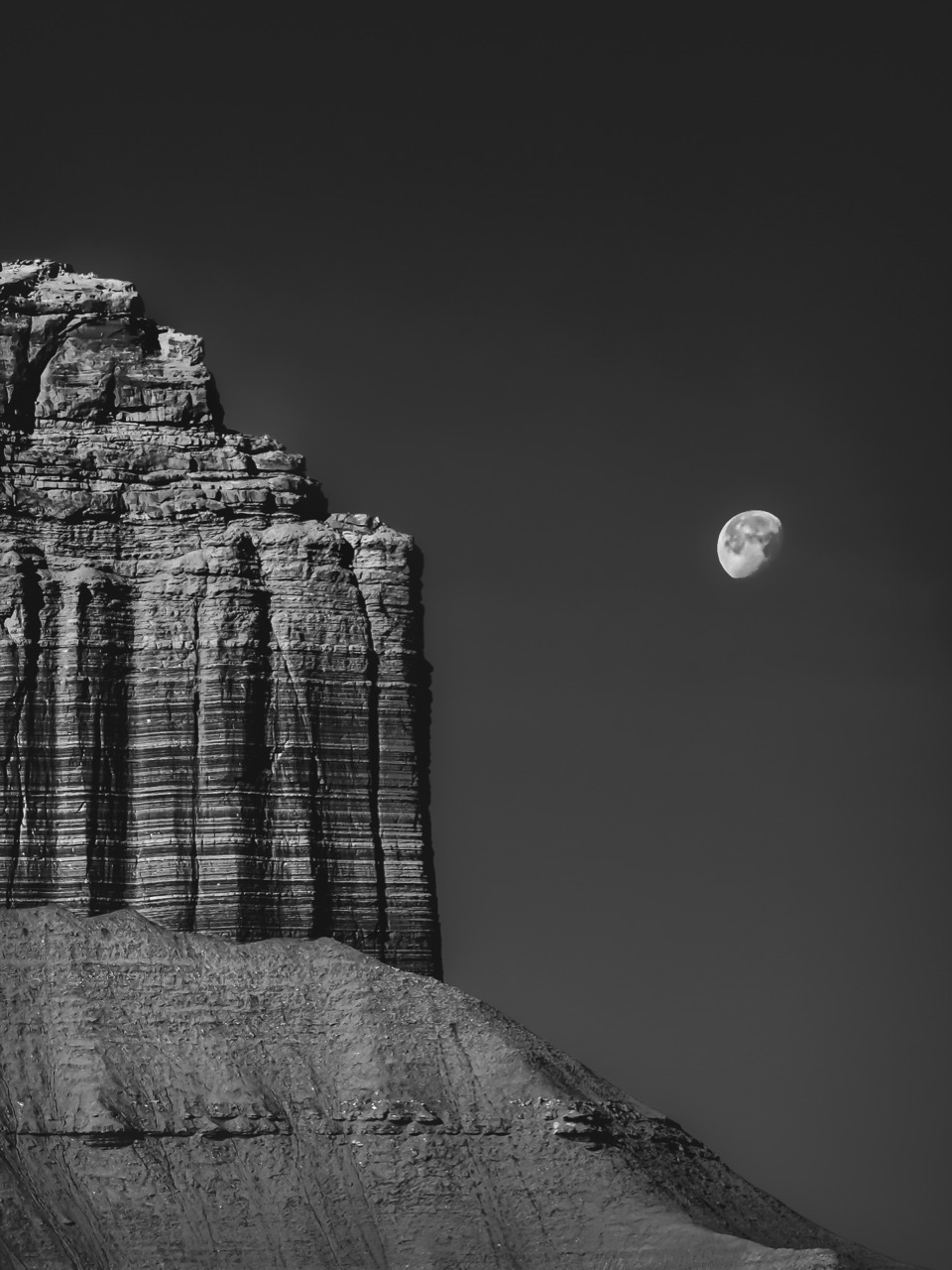
Stand still and look at where the light is coming from. Side light carves shape and texture. Backlight turns dust, hair and weather into material. Flat overhead light removes shadow, which is useful for documents and unkind to faces. Once you know the direction, you choose where to stand instead of hoping the frame works from where you already are.
2. Expose for the highlights
An iPhone sensor holds detail in the shadows far better than it holds detail in a blown sky. Tap and hold to lock focus and exposure, then drag the sun slider down until the brightest important area stops clipping. Lift the shadows afterwards in Photos if you need them. You cannot bring back white.
3. Protect the moment, not the frame
Most missed photographs are missed by half a second. If a scene is about a gesture, a glance or a wave breaking, take the frame you can get and keep shooting through it. Live Photo costs nothing and gives you both the still and the second around it. Turn it on for anything that moves.
“Show us what you saw, not what you edited.”
IPPAWARDS
4. Zoom with your feet when the light allows
Optical reach is real, but distance changes a picture more than any lens. Walking closer includes more of the room and changes the relationship between subject and place. Stepping back on the telephoto flattens a face into something calmer. Both are decisions about relationship, not magnification. Make them before you crop.
5. Keep the grid on, permanently
Settings, Camera, Grid. A third-line grid is the cheapest compositional tool on the phone: it keeps horizons level, gives you a place to put a subject eye, and stops the frame from drifting to the centre out of habit. Photographers who win this competition are rarely guessing where the edges are.
6. Steady hands are a technique, not luck
Night photographs are made by holding still, not by owning a newer phone. Brace your elbows against your body, lean on a wall, hold your breath on the exhale. If the scene is still, use a longer exposure with the phone supported and let the sensor gather light. If it moves, accept a slower shutter and shoot a burst of frames.

7. Shoot RAW only when the range is wide
ProRAW keeps more information in a high-contrast scene, at the cost of file size and a slower capture. For a sunset over water, or an interior with a bright window, it is worth the trade. For a midday street scene that already fits inside the phone dynamic range, the standard HEIC will be sharper and faster. Choose deliberately.

A seven-week practice
- Week 1: name the light before every frame.
- Week 2: lock exposure on the brightest important area.
- Week 3: shoot a moving subject with Live Photo on.
- Week 4: make one frame at 1x and the same frame at 3x.
- Week 5: keep the grid on and level every horizon.
- Week 6: make one night photograph with the phone braced.
- Week 7: edit one frame you would normally discard, and write down why you kept it.
See what light can do
Every winning photograph in the archive began the same way: someone read the scene before they pressed the shutter.
Explore the winners

