Techniques
Before You Submit: How to Choose Your Strongest Frames
Most photographers already have a winning-calibre frame on their phone. The hard part is finding it among thousands, and seeing it as a stranger would. A practical method for narrowing a camera roll to the entries that deserve a place.

The photograph you are proudest of on the day is not always the strongest one you have. Often it is a different frame, the one that still holds up when you look again weeks later.
Choosing is a separate skill from shooting, and most entrants spend far less time on it. This guide is a method for narrowing thousands of photographs down to the few that deserve an entry.
Step 1: Gather widely, without judging
Start with a long list, not a short one. Go back through the last year or two of your camera roll and add anything that makes you stop, even for a second, to a single album. Call it IPPAWARDS shortlist.
Don't judge yet. Don't edit yet. Don't skip a frame because you think it doesn't fit a category. At this stage you are only collecting candidates, and fifty or a hundred is fine.
Two places people forget to look:
Live Photos. Open them and scrub through. The frame you want is often one or two after the one you pressed, and you can set it as the key photo.
Bursts. Photos shows a burst as one image. Tap Select to see every frame in it.
Step 2: Remove the near-duplicates
Most long lists contain several versions of the same moment. Put them side by side and keep one. Choose on the things that decide a picture:
Is the subject's gesture or expression strongest in this one?
Are the edges clean? Look for a stray hand, a pole or a bright patch at the border.
Is the horizon level?
Is the important part sharp?
Entering two versions of one scene usually means competing against yourself. Keep the strongest and let the others go.

Step 3: Look at it the way the jury will
Your phone is the worst screen to judge on, because everything looks good small and bright. Look at each remaining frame in three ways.
At full size. Zoom in to 100 percent and pan across the whole frame. Check focus on the subject, noise in the shadows, and the halos or smeared detail that heavy processing leaves behind. If you plan to print, this is how the print will look.
As a thumbnail. Shrink it right down, or step back from a laptop screen. A strong photograph still reads at postage-stamp size: one clear shape, one clear contrast. If it turns into mush when small, the composition may be too busy.
On a bigger screen. AirDrop the shortlist to a Mac or iPad, or view it on a TV. Distractions that hide on a phone screen become obvious at size.
Step 4: Ask the hard questions
For each frame still standing, answer honestly:
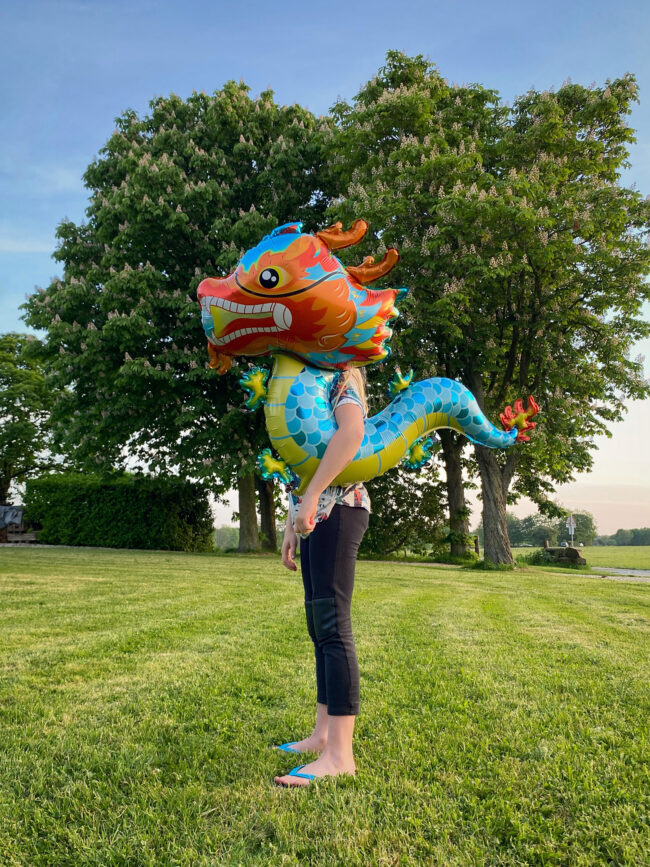
Would a stranger stop on it? You know the story behind every picture. The jury doesn't. Does the photograph work with no explanation?
What is it about? If you can't say in one sentence what the picture is of, the viewer won't know either.
Is it yours? A beautiful sunset over a famous landmark has been photographed many thousands of times. What did you see that someone standing beside you might have missed?
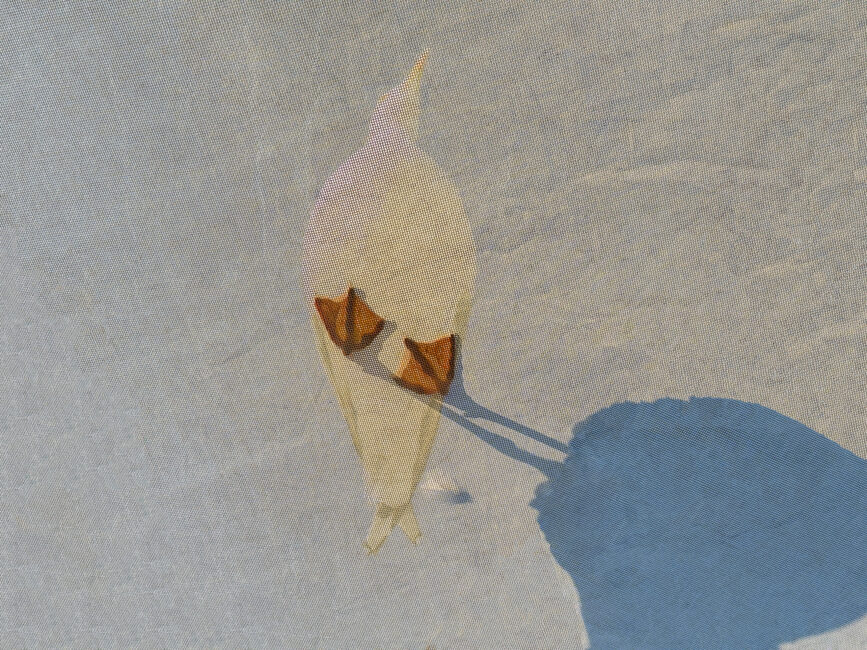
Does the light do something? Flat light rarely makes a memorable photograph. Shaped light usually does.
It helps to ask someone you trust to choose their three favourites from your shortlist without your commentary. If their picks are completely different from yours, look again at why.
Step 5: Choose the category deliberately
Many photographs could fit two or three categories. A child on a beach could be Children, Lifestyle or People. Pick the category where the image is strongest against the kind of work that usually wins there. Our category guides set out what each one rewards:
Portrait, Landscape, Animals, Lifestyle, Citylife/Cityscape, Abstract, Series
Read the current entry guidelines to see whether the same photograph may be entered in more than one category.
Step 6: If you're entering a Series
Series is the only category judged as a set, and it needs a different kind of choosing. The three frames should share one idea and one consistent treatment: the same light, the same palette or the same distance from the subject. Each frame should still hold up alone, and together they should add up to more than the strongest single image.
A common mistake is to choose your three favourite photographs from one trip. That is three good pictures, not a series. Start from the idea, then find the frames that serve it. The Series guide goes into more detail.
Step 7: Check the file before you upload
The last step is practical, and it is where good entries are lost.
Before you upload
- Upload the original file at full resolution, not a copy that has been through a messaging app or social media.
- Keep the unedited original, with its metadata. Shortlisted entrants will be asked for it.
- Nothing added: no replaced skies, generative fills or AI upscaling.
- No desktop processing. Edit in iOS apps only.
- Answer the editing question on the upload form honestly. A disclosed edit will not cost you points.
- Give the photograph a title. A good title can add a question, and should not explain the joke.
Where Editing Ends sets out exactly what is and isn't allowed.
How many to enter
There is no right number. One outstanding photograph is a better entry than five good ones. If you are deciding between frames that are equally strong, enter in more than one category rather than doubling up on one. And if you are buying a bundle, finish your shortlist first, so the number of entries follows your best work rather than the other way around.
Ready to enter?
You have chosen the frames. Read the guidelines, then send us the ones that held up.
Entry guidelines