Techniques
Black and White: When to Take the Colour Out
Monochrome is an argument about what the photograph is about, not a treatment applied at the end. How to test a frame for tonal structure, choose crushed or floated contrast, and keep the highlights alive.

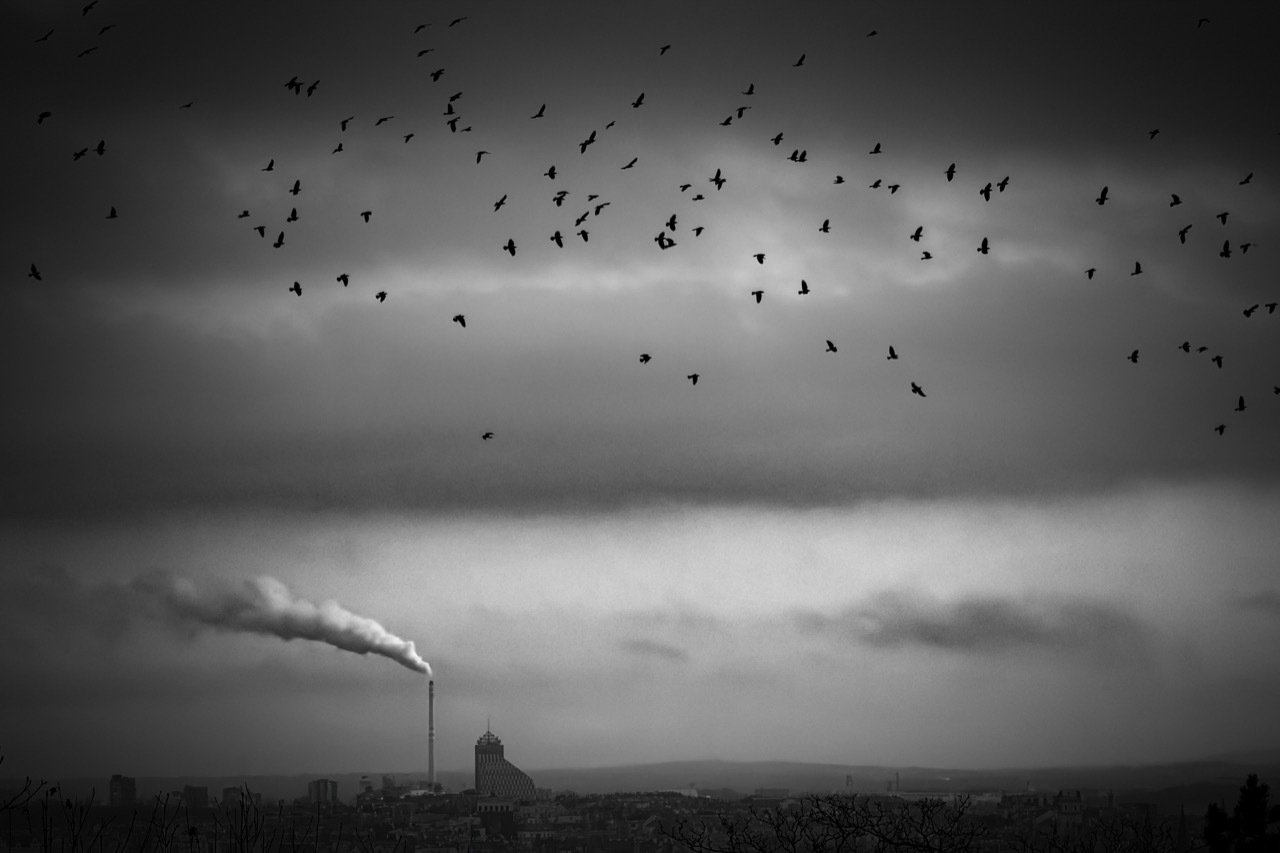
Black and white is the oldest edit in photography and the one most often applied by accident. A frame gets converted because the colour was muddy, or because a filter looked good on the screen, and the picture arrives in the judges' room with nothing gained. Monochrome is not a treatment. It is an argument about what the photograph is about, and it only works when the argument is true.
The good news is that the archive is full of proof. Some of the strongest entries of the last two cycles are monochrome, including a second place in Animals and two placings in Series, and none of them look converted. They look like photographs that were built to be read in tone from the start.
What monochrome actually does
Removing colour removes a whole layer of information and hands the eye two things instead: tone and shape. Anything that was relying on colour to be legible loses its footing, and anything with a strong tonal structure gets louder. That is the trade. If the frame's structure is light against dark, monochrome sharpens it. If the frame's structure was red against green, both become the same middle grey and the picture flattens into nothing.

Barry Mayes's Icelandic Horse, second place in Animals in 2026, is what the trade looks like when it pays. The coat goes near black, the winter sky blows to white, and the animal's outline does the work a whole palette would otherwise have to do. The texture in the mane and the frost around the muzzle survive because the file was not pushed to the point where fur turns to wire.
Separate the subject by tone, before you convert
The single most common failure in this category is a conversion that merges the subject into the background. Two colours that look different on screen can share almost the same brightness, which is why a bright red flower against green leaves becomes one flat grey mass. Before you commit, look at the frame with the colour switched off and ask what is left: if the animal, the face or the subject does not separate from what is behind it, the picture needs different light, not a different filter, and light is the thing you can still change by moving.
Practically, an iPhone will bake a filter into the photo you save, so if you want to decide later, shoot in colour and use the filter as a preview only, or use an app that shows monochrome while it writes the colour file. Either way, decide the picture before you press the shutter. Converting afterwards to rescue a weak frame is the move that fills the discard pile.
Contrast: crush it or float it
There are two honest looks and they are not interchangeable. Crushed monochrome runs near-black shadows into pure white highlights and suits graphic subjects: architecture, silhouettes, hard sun. Floated monochrome keeps a full range of greys and suits skin, fur, weather and anything where texture is the subject. Deciding which one you are making before you start editing saves you from the worst outcome, which is a frame that is neither and reads as grey mush with a vignette.
Dominic Dähncke's Puzzle, first place in Series in 2025, lives in those two ends and almost nowhere between: a white cloud held against dark sky in one frame, a rectangle of bright through concrete in the next, a triangle of sky cut by shadow in the third. What holds the set together is not a subject, it is a rule about where the white sits in each frame.
The conversion itself
Start with the channel mix rather than the contrast slider. In colour terms, that means deciding what happens to reds, yellows, greens and blues once they become grey: skies usually want blue darkened, skin and stone usually want red lifted. Get the tonal relationship between subject and background right there, and most of the work is done before you touch anything that adds punch.
Then keep the highlights. Pure white is a legitimate place for a sky or a snowfield, but the moment a highlight is clipped through fur, feather or fabric, the detail is gone and no amount of local contrast brings it back. Pull the highlights down, set the white point just below the clip, and let the blacks arrive last. A monochrome frame with a handled highlight reads as a print. One with burned edges reads as a mistake.

Grain, noise and sharpening
Monochrome inherits every flaw of the file underneath it, and it inherits them more visibly, because chroma noise that was hidden in colour becomes luminance noise the moment the colour goes. Two rules cover most of it. Do not sharpen fur, fabric or skin past the point where texture turns wiry, and do not denoise so hard that the same textures turn to watercolour. If the frame is noisy, leave the noise: in a monochrome photograph, grain reads as intent far more often than it reads as equipment.
Before you convert
- Does the subject separate from the background in tone alone?
- Is this crushed or floated, and does the edit agree?
- Are the highlights intact where texture matters?
- Have you decided what happens to the sky?
- Is the grain doing something, or is it hiding a soft file?
- Does it look better than the colour version, or only different?
When not to convert
Some photographs are about colour and should be left alone. A third place in Series in 2025 turns on three lighthouses striped yellow, blue and red against a flat blue sky; take the colour out and the joke leaves with it. The same is true of the flamingos that placed third in Animals in 2026, where warm pink against dark water and near-black bamboo is the entire structure of the frame. If colour is carrying the picture, monochrome is not a style choice, it is subtraction.
Entering a black and white photograph
Monochrome entries are judged on exactly the same terms as colour ones and go through the normal submission process, one photograph per entry slot in whichever category it belongs to. Read the current requirements before buying a bundle, since file type, resolution and series rules change between cycles, and upload the full-resolution file rather than a screenshot of the edit.
Enter your black and white frame
If the picture still works with the colour gone, it is a monochrome photograph. Read the guidelines, then choose the one frame where tone does the talking.
Entry guidelines