
Category Guides
Citylife/Cityscape: A Category Guide
One category, two different photographs. What separates the city frames that place in IPPAWARDS: resolved geometry, one living note, and an hour of light that pays for itself.
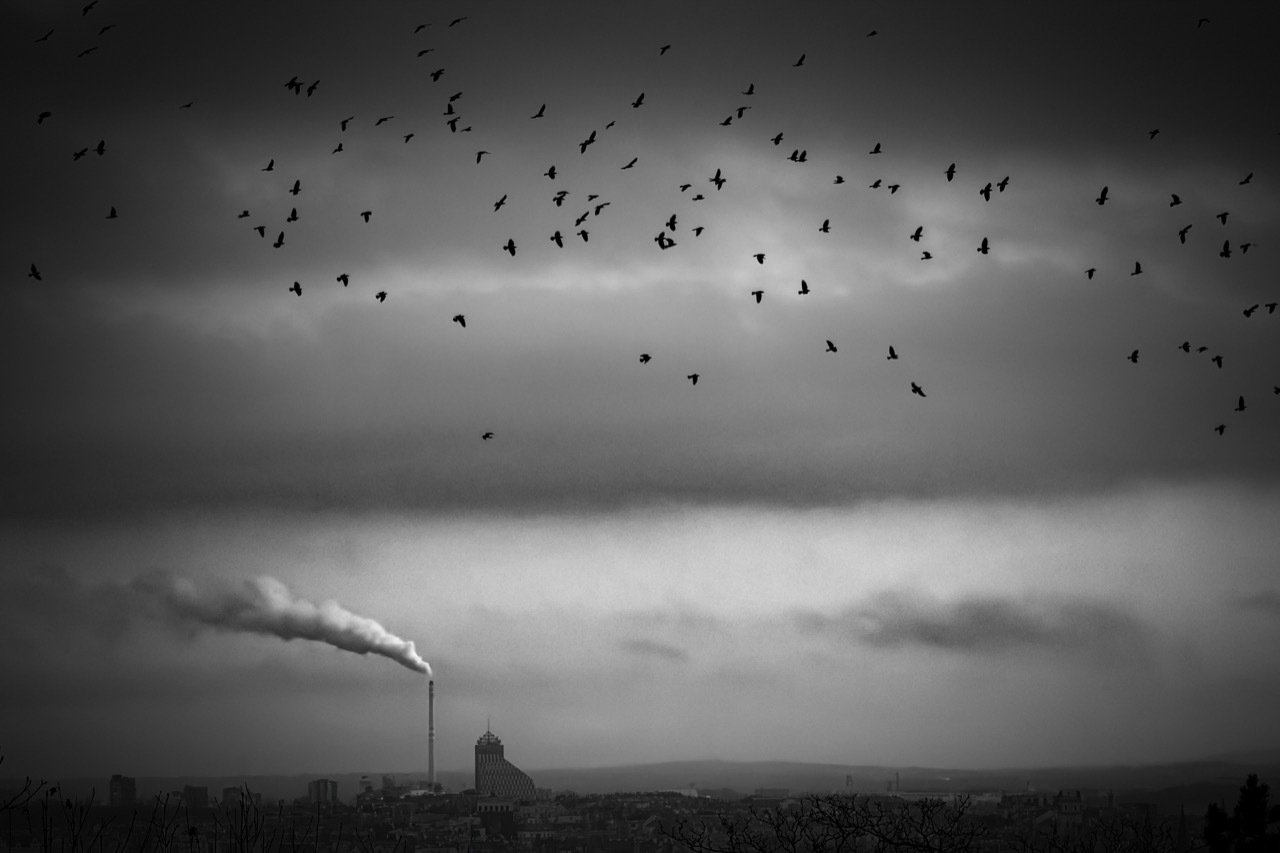
Citylife/Cityscape is the only category in the competition that asks you to choose between two photographs before you have taken either of them. One is about structure: a place, its scale, the way a city is built. The other is about behaviour: what people do on a pavement at six in the evening. Both win. What does not win is the frame caught between them, half a tower and half a crowd, belonging to neither.
It is also the category where a single photographer can demonstrate the whole argument about gear. Adrian Beasley took first place in 2026 on an iPhone 17 Pro and first place in 2025 on an iPhone 13 Pro. Across the two years the phone changed by four generations and the standard of the photographs did not.
What the category rewards
Three qualities recur in the winning frames. Geometry that resolves: lines that arrive somewhere, a facade that squares up to the frame, a repetition that has an ending. One living note: a figure, a lit window, a scooter, something that introduces time into a built thing. And light that is doing work rather than simply present, which in a city usually means the twenty minutes after sunset or a street after rain.
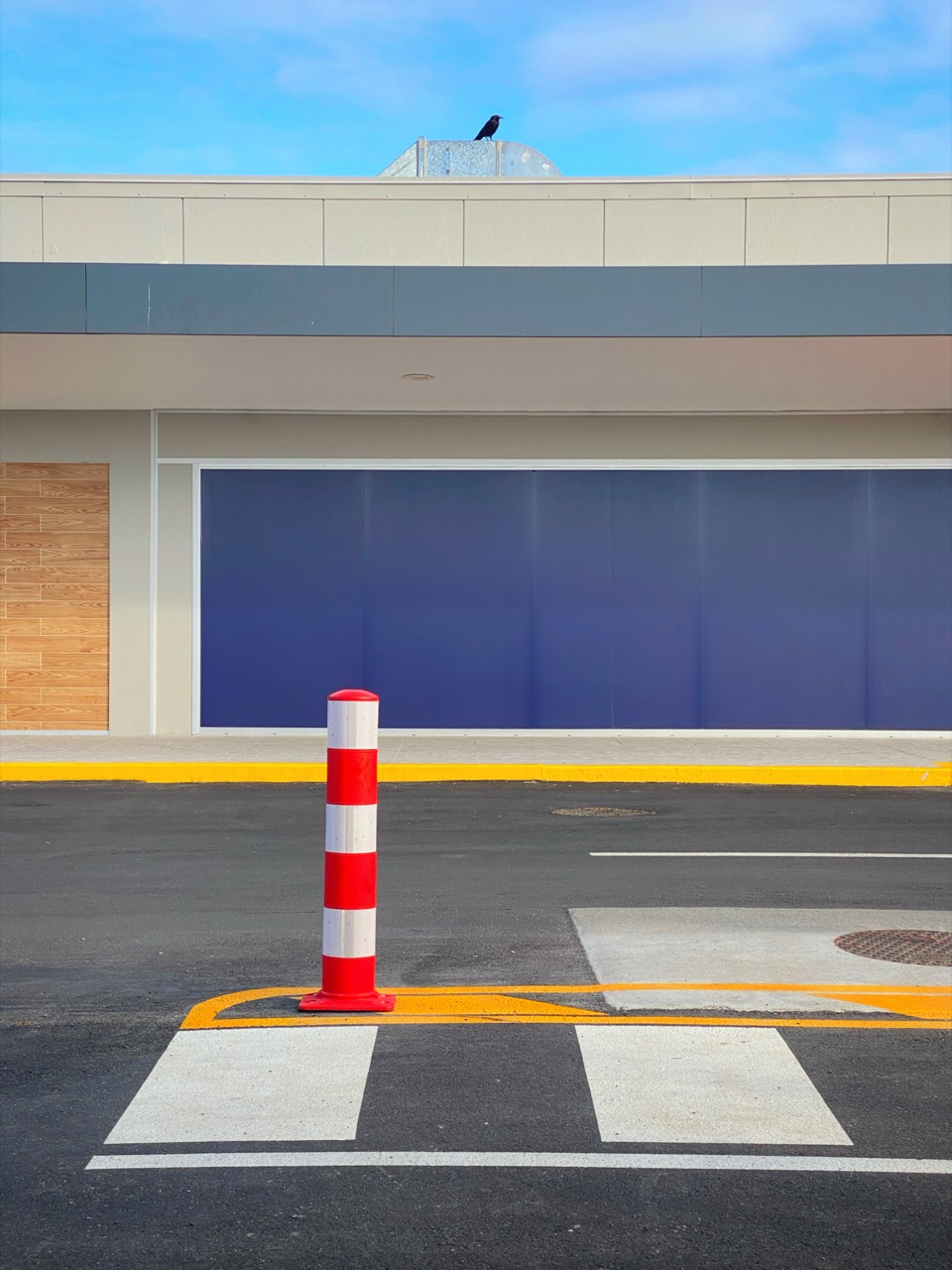
Shot details
- iPhone
- iPhone 17 Pro
- Lens
- 16.89mm (200mm equiv), f/2.8
- Mode
- Photo, 1/750s, ISO 20
Decide which picture you are making
A cityscape is a stack of decisions about the frame: where the edge of the building falls, how much sky earns its place, whether the street is lead-in or clutter. A city life photograph is a decision about people: who is in it, what they are doing, and whether the city around them explains the behaviour. Ask yourself which sentence you want to be true, then remove everything that does not support it. In practice that means taking the crowd out of the architecture and the architecture out of the crowd.
When a photograph does hold both, it is because the people are small and the building is the subject, or the building is a backdrop and one person is. Scale is the tool. A figure at the base of a wall tells the viewer how big the wall is; a figure filling the frame tells them nothing about the wall at all.

Verticals, and why the 2x helps
Buildings lean in a phone photograph because the phone is tilted up. Step back and use the longer lens instead: at 2x or 3x you are further from the subject for the same framing, the camera sits closer to level, and the walls stay parallel. Turn on the grid, keep the phone upright, and leave a little room at the top to crop into later. Wide is for a different job, when something near the ground carries the eye into the frame; used on a tall facade it bends the edges and no amount of editing fully forgives it.
The hour that pays
The reliable window is the twenty to thirty minutes after sunset, when the sky still holds colour and the windows are already lit. The two light sources balance; the buildings stop being silhouettes. Expose for the sky and let the windows be bright, or expose for the windows and accept a darker sky, but decide rather than letting the camera average it for you. Pull exposure down a third or two thirds of a stop and the highlights on signs and glass will still be there when you get home.


Weather is free production value
Rain does more for a city frame than any filter. Wet asphalt doubles every light source, puddles give you a second composition under the first, and umbrellas put people in the street who would otherwise be invisible. Fog removes the background and leaves the geometry. Snow simplifies everything into two tones. The city is photographed constantly, so the weather is one of the few things that makes your frame of a known place different from the thousand already made there.
Night, hand-held
A great deal of the category is made after dark, and phones handle it better than their reputation suggests once you stop moving. Brace the phone on a railing, a bollard, a windowsill, or both hands against a wall. Night mode will take a shorter exposure with a steady brace and a longer one without, so give it something solid and it will give you clean tone. In mixed light, pick one source as your white reference (a white wall, a lit sign face) and let the rest go warm or green; correcting everything to neutral is what makes night photographs look like daylight with a dark sky pasted in.
Editing a built environment
Edge work first: straighten, check the verticals, and use the perspective correction sparingly, since heavy correction stretches whatever is at the bottom of the frame. Then find the sky and look along the roofline at full size, where over-sharpening and over-cooked HDR announce themselves as a bright halo. Cities are full of hard edges against flat sky, which is exactly where editing shows. Finally, resist lifting every shadow: a city at night is supposed to have dark in it.
Before you press the shutter
- Are you making a cityscape or a city life frame?
- Does the geometry resolve somewhere inside the frame?
- Are the verticals parallel, or will you fix them later?
- Is there one living note, and is it the right size?
- Are the highlights on signs and glass still intact?
- Would the frame still work if you removed the person in it?
How to enter
City photographs go in as Citylife/Cityscape through the normal submission process, one photograph per entry slot. Read the current requirements before you buy a bundle, because file type, resolution and series rules change between cycles, then upload at full size. A city gives you hundreds of frames a week; the entry that places is the one where you knew which photograph you were making before you raised the phone.
Enter your city
Judged on the photograph, not the gear. Read the guidelines first, then choose the frame that says the most about the place or the people in it.
Entry guidelines

