
Category Guides
Series: A Category Guide
The only category judged as a set. What separates a series that places in IPPAWARDS: one idea you can say in a sentence, three frames that range across it, and a treatment consistent enough to read as one piece of work.

Series is the only category in the competition where a photograph can be excellent and still lose. It is judged as a set of three, and the question in front of the judges is not whether each frame is good but whether the three are one piece of work. The most common entry to fall short is not three weak photographs. It is three strong photographs from three different ideas.
That also makes it the category with the clearest craft lesson in it. Anyone can have one good frame; a series requires you to know what you are making before you make it, and to keep making it after the first frame succeeds.
What the category rewards
Four things recur in the winning sets. An idea that holds the three together. Range inside that idea, so the second frame says something the first did not. A sequence that builds rather than repeats. And a consistent treatment, meaning one palette, one quality of light, one way of handling grain and contrast, so the three read as a single object.
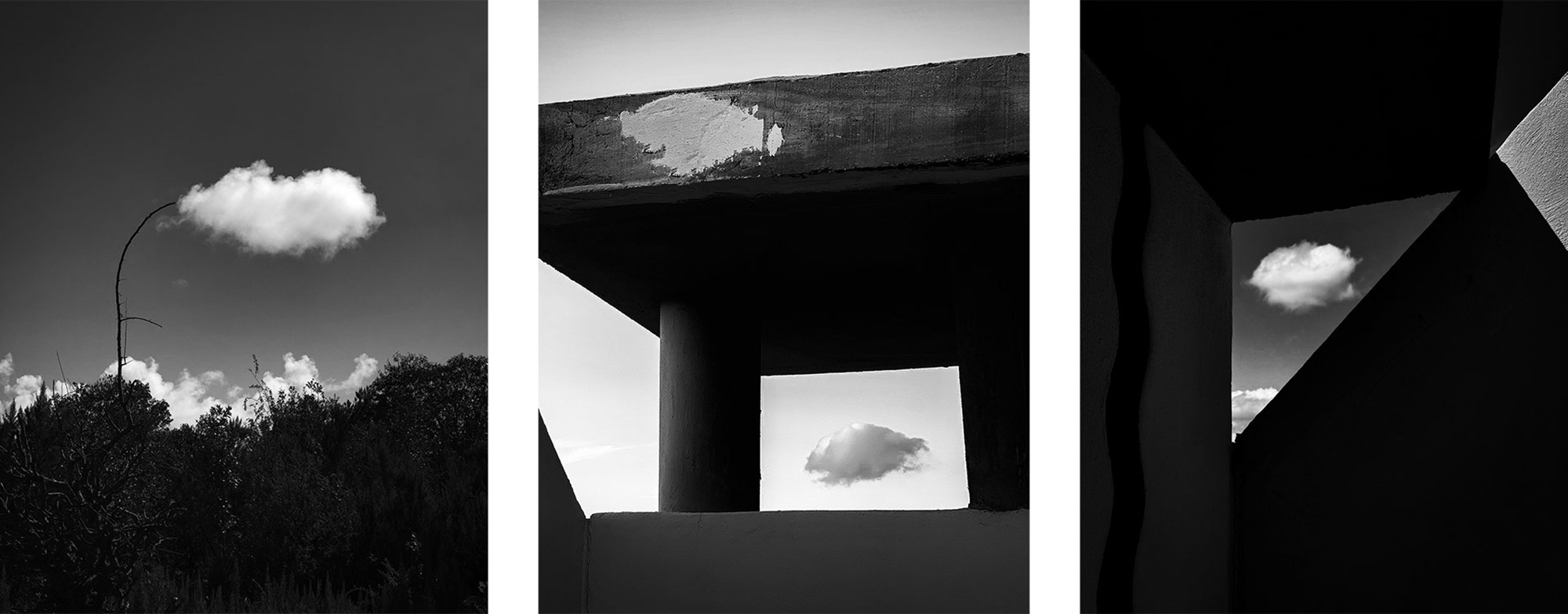
The phone has never decided this category
Look down the Series awards and the devices are the oldest in the competition. First place in 2025, Dominic Dähncke's Puzzle, was shot on an iPhone XS. Third place the same year, Milena Konstantinova's The dream of the Hunt, on an iPhone XR. Third place in 2019, Larisa Baricheva's Ocean, Sand, Stone and Wind, on an iPhone 7. This is not nostalgia; it is what happens when the idea rather than the sensor is doing the work. A series built on a subject you can revisit will always beat one built on a resolution you cannot use.
Find the idea first, in one sentence
Before you take a single frame, complete this sentence: this series is about ______. Not a genre, a subject. Not "fishermen" but "the quiet between hauls"; not "architecture" but "buildings that repeat until they stop meaning anything". If the sentence needs a paragraph, you have three photographs, not a series. Peng Hao's Lonely Fishermen and Liu Dan's Tattooed Women both earn their titles from a proposition that holds across all three frames, and both are readable from the title alone.
Then decide how the three will differ. A reliable shape is establish, complicate, resolve: a wide frame that sets the world, a closer frame that turns something inside it, and a last frame that closes the thought. Another is three variations on a single composition, changing one variable and holding everything else still. What does not work is three frames from the same afternoon at the same distance of the same thing.
Consistency is the technique
Within a set, hold the camera language steady: one lens, one aspect ratio, one direction of light, one approach to colour. Moving from 0.5x to 5x across three frames makes a set read as a portfolio rather than a series, because the viewer has to re-learn how to look at each image. If a frame needs a different lens to exist, that is usually a sign the idea is drifting.
Practically, that means shooting forty frames and selecting three, not shooting exactly three and hoping. Edit the candidates side by side on one screen, small enough that each is a thumbnail; a series either holds together at thumbnail size or it does not. And check that no single frame is carrying the set: if one photograph is doing all the work and the other two are context, you have one photograph and two captions.
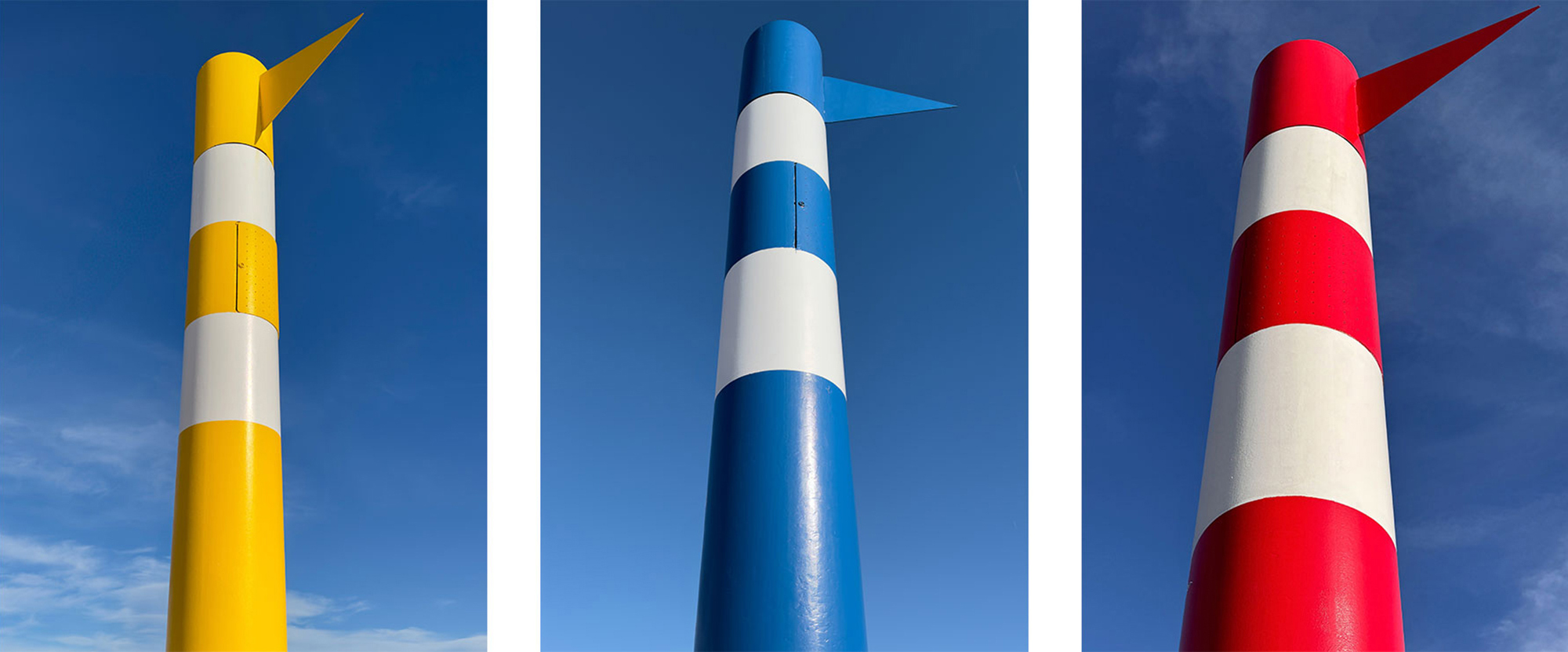
Sequence: how the three are read
Order is part of the work. The judges see the three in the order you submit them, and the first frame sets the terms of everything after it. Make frame one the establishing idea, not the best picture; make the middle frame the one that earns its place by adding information; and let the last frame be either the strongest or the quietest, as long as it closes something. A set that could be shuffled without loss has not been sequenced at all.
A useful check is to write one line under each frame as if it were a book page. If the three lines read as a progression, the sequence works. If they read as three unrelated captions, go back to the sentence you wrote at the start.
Editing three as one object
Grade the set, not the frame. Fix a reference frame first, then match exposure, white balance and contrast of the other two to it rather than treating each on its own merits. Keep the total amount of local adjustment smaller than you would on a single image: an obvious edit in one frame breaks the set faster than a mediocre edit across all three. Then look at the three at full size, one at a time, and finally again as thumbnails, because both views are how they will actually be judged.
How to enter a series
Series entries go in as a set of three in the Series category. Read the current requirements before you buy a bundle, because how the three frames are uploaded, their order and the file specifications are all set out in the guidelines and have changed between cycles. Enter the three you selected at thumbnail size, in the sequence you decided on, and resist the temptation to swap one out late for a frame you like better on its own.
Before you enter a series
- Can you finish the sentence "this series is about ______" in one line?
- Does each of the three add something the others do not?
- Are they one lens, one palette, one quality of light?
- Would the set survive the swap test?
- Does the order read as a progression?
- If one frame were removed, would the other two still stand up?
Enter your series
Three frames, one idea. Read the guidelines first, then choose the set that reads as a single piece of work.
Entry guidelines

