Features
Twenty Years in Your Pocket: How the iPhone Became a Serious Camera
In 2007, the iPhone shipped with a two-megapixel camera and no flash, and a photography competition was started around it anyway. Twenty years later, the phones have changed beyond recognition. What wins has hardly changed at all.

2007: a bet on a phone
Kenan Aktulun started IPPAWARDS in 2007, the same year the first iPhone went on sale. At the time, "phone photo" meant something grainy you took because nothing better was at hand. The idea that it could hold its own in a juried competition was close to a joke.
The early entries made the case anyway. The camera couldn't capture much detail, so those photographers had to rely on everything else: where to stand, when to press, what to leave out.
2017: ten years, a global field
By the tenth competition in 2017, a project that began with a small circle of friends had turned into a global field with thousands of entrants. That year's Grand Prize went to Sebastiano Tomada for Children of Qayyarah, a documentary image from northern Iraq. It showed that a phone was no longer just a camera for casual snapshots. It could carry serious reportage.
The same year, Paddy Chao won the Architecture category. He came back in 2024 to win Landscape with a night sky over Lake Tekapo, New Zealand, shot on an iPhone 15 Pro Max. Seven years and many phone generations apart, his two winners make a good case study in how a photographer's eye carries across hardware.
2026: the oldest phone on the podium
The 19th competition drew entries from more than 140 countries. The most talked-about result had nothing to do with the newest hardware. Gold went to Gellért Gombai for a black-and-white image shot on an iPhone X, a phone released in 2017. The Abstract category was won on an iPhone 8 Plus.
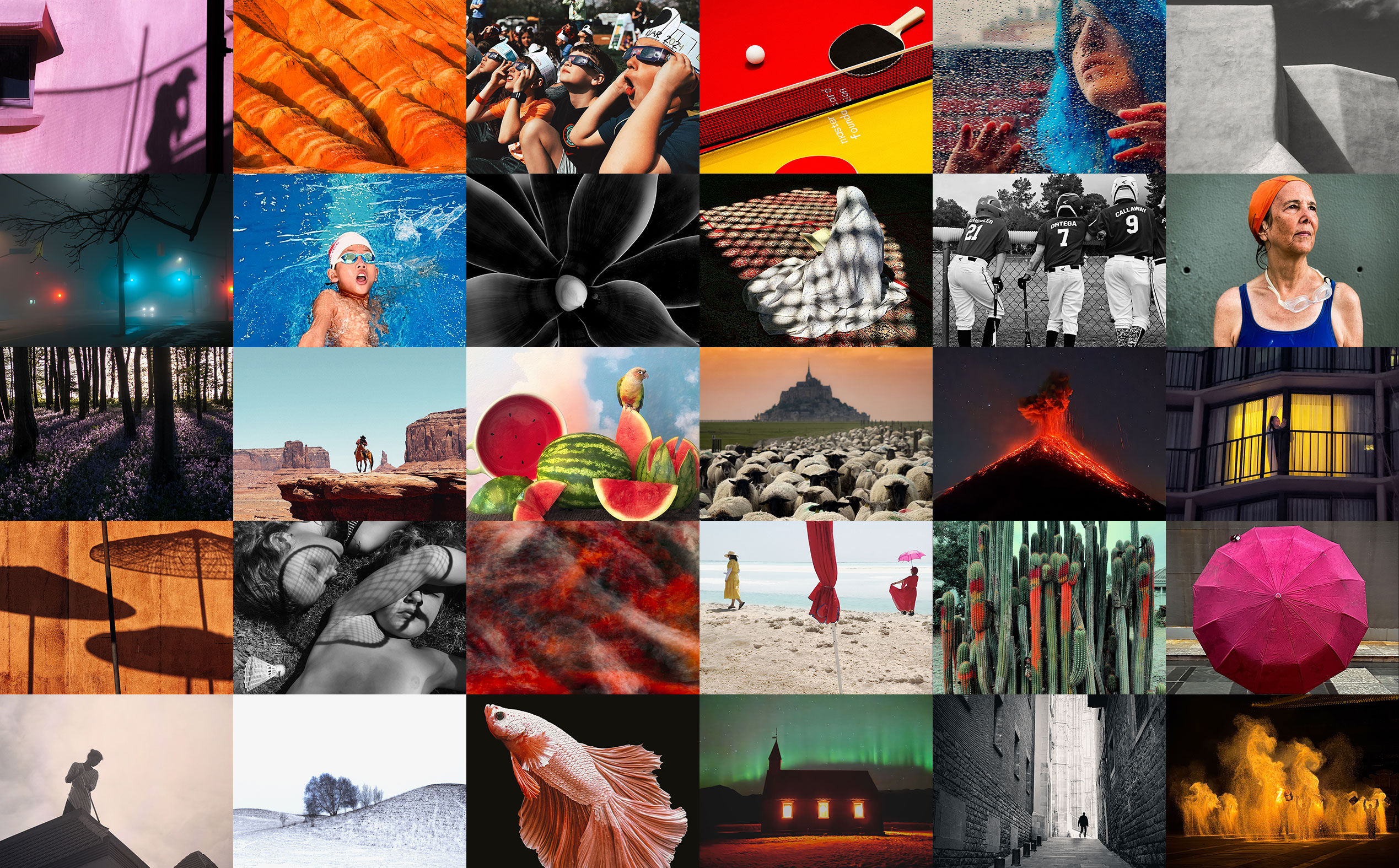
The Grand Prix went the other way. Robyn Jensen's eruption of Volcán de Fuego, shot on an iPhone 15 Pro, was a one-second Night mode exposure at ISO 12500. No phone of 2007 could have made that picture. Between them, those two results sum up 20 years of the competition: the technology keeps opening new doors, but the photographer still decides what's worth shooting.


What hasn't changed
Look across two decades of winners and the same qualities keep appearing:
- Light read before the shot. Winners treat light as the subject, not the background.
- One clear idea per frame. The strongest images can be described in a sentence.
- Moments, not scenes. A gesture, a shadow or a burst of lava turns a place into a photograph.
- Restraint in editing. Processing serves the image and never becomes the point.


The next twenty
Phones now shoot RAW, see in the dark and offer focal lengths that once needed a camera bag. The question for the next 20 years isn't whether an iPhone can make a great photograph. It's what photographers will notice that no one has shown us yet.
Twenty years of winning photographs are in the winners archive, and the 20th IPPAWARDS is open for entries.
The 20th IPPAWARDS is open for entries
Send your work to the competition that has been judged on the photograph, not the hardware, since 2007.
Enter the 20th IPPAWARDS